On this International Day of Peace on September 21, the call for unity and reconciliation resonates worldwide but for women in conflict zones, peace is not just a principle to celebrate, it is a daily act of survival and rebuilding. Local community and government leaders, health workers, policymakers, and mothers sustain fragile trust in communities torn apart by violence. They rebuild, they console, they negotiate. Their actions and voices are critical in peace and security efforts, yet their stories seldom receive the recognition they deserve.
The Women, Peace and Security (WPS) agenda acknowledges the meaningful perspectives that women bring to the table, drawing them from the margins to the center. Rooted in UN Security Council Resolution 1325, this framework emphasizes that decisions about peace must meaningfully include women. In alignment with the aims of the WPS agenda, organizations like Our Secure Future are leading initiatives to advance women’s roles in peace and security efforts in order to enable more effective policy-making and lasting peace. Evidence consistently shows that when women fully participate in peace processes, peace agreements tend to endure and carry meaning beyond words.
However, women remain underrepresented in peace processes globally. In 2023, women constituted only 9.6 percent of negotiators, 13.7 percent of mediators, and 26.6 percent of signatories in peace and ceasefire agreements, a notable improvement from earlier figures, yet still far short of parity even as their informal leadership continues to shape trust and dialogue in countless ways.
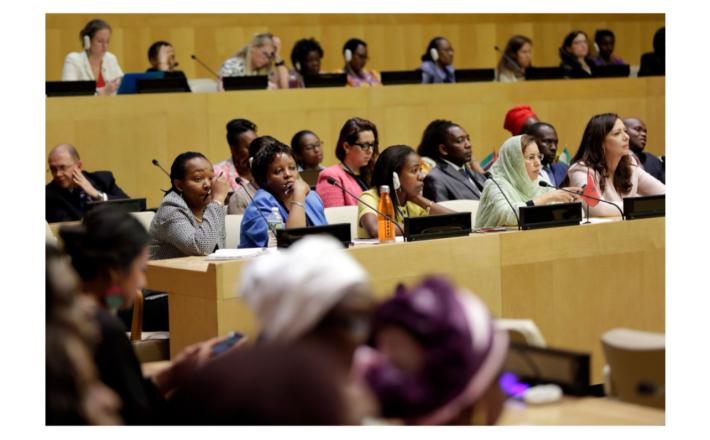

Hear from women leading change in the political space share their experiences and insights.

Explore a wide-range of audio-visual resources on key topics of gender equality.

Hear from a diverse list of panelists and guests as they reflect on critical issues pertaining Women in Politics.